
Artificial intelligence is not just a subject of scientific inquiry or the stuff of sci-fi novels; it is increasingly becoming a cultural touchstone and a driver of artistic expression. character ai have leaped out of research labs and into popular culture, bringing with them a whole new set of narratives, tropes, and conceptions about the relationship between humans and technology.
AI Characters in Media: From Novels to Blockbusters
The portrayal of AI in media has evolved from the robotic, emotionless figures of early years to complex, often anthropomorphized entities who play central roles in the story. Characters like HAL 9000 from "2001: A Space Odyssey," and the Terminator have cemented themselves in the public consciousness as AI icons. These archetypes have informed cultural discussions about the potential risks and benefits of creating machines capable of human-like cognition.
Contemporary culture continues to introduce new AI characters in both literature and film, such as Ava from "Ex Machina" and Samantha from "Her." These characters confront existential questions about identity, consciousness, and relationships as they blur the lines between personhood and technology. The success of such narratives proves the public's appetite for exploring the liminal spaces where humans intersect with their artificial creations.
The Cultural Influence of AI Characters
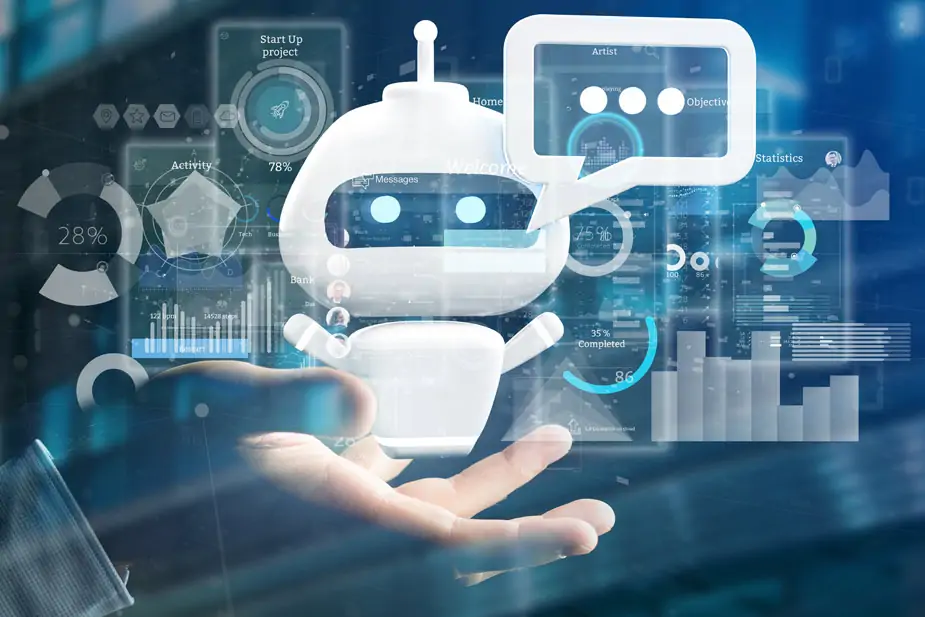
AI characters have a profound impact on popular culture and society. They become symbols for our hopes and fears about the future, reflecting the values and anxieties of the time. Historically, AI characters were often portrayed as antagonistic, mirroring the broader cultural fear of an uncontrollable, malevolent technology. This narrative is changing, as a more nuanced understanding of AI is emerging.
Today's AI characters are more likely to be protagonists, representing a yearning for companionship, understanding, and transcendent knowledge. These shifts in storytelling reflect a growing acceptance of AI as a significant part of our reality, not just a threat to it. They also prompt critical reflection on human identity, morality, and the nature of existence in the digital age.
The Real vs. Reel Impact of AI Characters
While AI characters can captivate audiences with their human-like qualities and dilemmas, the real impact of AI on society is more subtle and complex. In the real world, AI technologies are shaping our lives in various ways, from personal assistants to autonomous vehicles. There are genuine ethical and societal questions we must grapple with as these technologies become more pervasive.
The crossover between AI in fiction and AI in reality provides a fertile ground for exploring not only what AI can do, but also what it means to us as a society. The dialogues sparked by AI characters in media are an opportunity to engage with the broader public about the implications of AI in our lives—from job automation to the future of warfare.
Concluding Thoughts
AI characters are more than just plot devices or cautionary tales—they have become cultural icons that reflect and shape our collective imagination. They challenge us to think deeply about our relationship with technology and the world we are building. By examining and engaging with these characters, we can better understand our present and prepare for the future that AI will undoubtedly be a part of. In doing so, we ensure that the narrative of AI in our culture is as rich and diverse as the reality it is coming to define.