
Air heat pumps have become increasingly popular in recent years due to their energy efficiency and cost-effectiveness. They work by transferring heat from the outdoors into your home during the colder months and vice versa during the summer, keeping your home comfortable all year round. However, if you're new to air heat pumps, it can be overwhelming to navigate the different types, sizes, and features available. In this guide, we'll cover everything you need to know about air heat pump (luftvärmepump) so you can make an informed decision for your home.
Types of Air Heat Pumps:
There are two main types of air heat pumps: air-to-air and air-to-water. Air-to-air heat pumps distribute heat through your home's air ducts, while air-to-water heat pumps transfer heat to a hot water tank or a radiance heating system. Additionally, you can choose between a split or packaged system. Split systems have separate indoor and outdoor units, while packaged systems have all components housed in one unit. The type of air heat pump you choose will depend on your home's heating and cooling needs.
Size and Capacity:
The size and capacity of your air heat pump is crucial to ensure it can adequately heat and cool your home. Factors like square footage, ceiling height, insulation, and climate must be taken into consideration. If the air heat pump is too small, it won't effectively heat or cool your home, but if it's too big, it will waste energy and result in unnecessarily high electric bills. Consult with an HVAC professional to determine the appropriate size and capacity for your home.
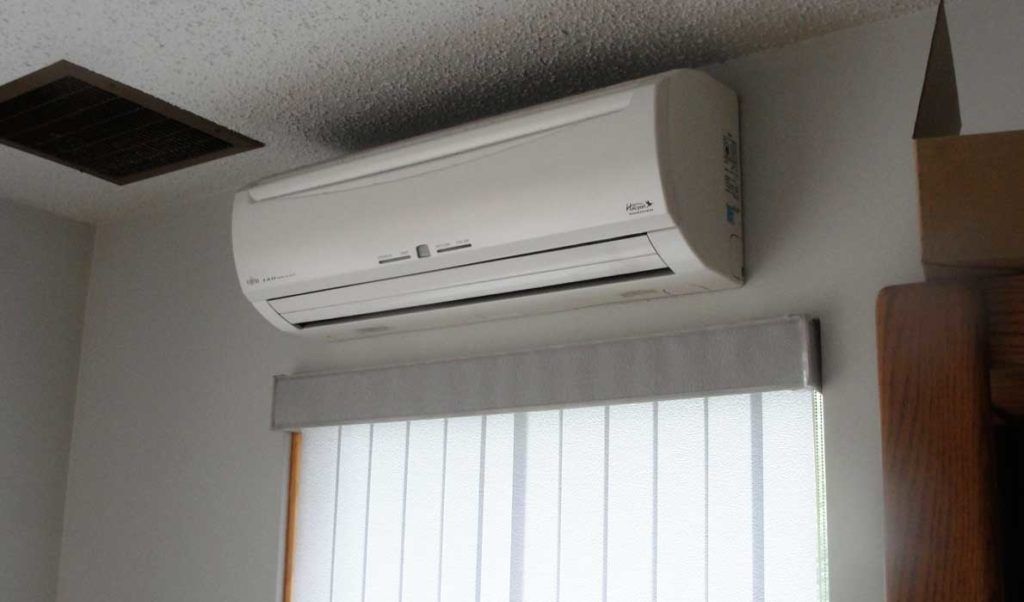
Energy Efficiency:
Air heat pumps offer excellent energy efficiency, with SEER ratings ranging from 14 to 22. SEER stands for Seasonal Energy Efficiency Ratio and measures the efficiency of air conditioners and heat pumps. The higher the SEER rating, the more energy-efficient the system is. High-efficiency air heat pumps not only lower your carbon footprint but also save you money on energy bills. Look for air heat pumps with an Energy Star rating, which means they meet or exceed energy efficiency guidelines set by the U.S. Environmental Protection Agency.
Maintenance:
Regular maintenance is crucial to ensure the longevity and optimal performance of your air heat pump. Dirty air filters can decrease airflow, decrease efficiency, and increase wear-and-tear on the system, while dirty coils can lead to system failure. It's recommended to have your air heat pump inspected and serviced by a professional at least once a year, preferably before the heating season begins. You can also perform regular maintenance tasks like replacing air filters and cleaning coils to keep the system running smoothly.
Cost:
The cost of an air heat pump depends on several factors, including the type, size, capacity, and features. On average, a mid-range air heat pump can cost between $3000 to $5000, while high-end models can cost upwards of $10,000. While the upfront cost may seem expensive, air heat pumps provide long-term savings on energy bills and are a worthwhile investment. Additionally, there may be government incentives or rebates available for homeowners who install energy-efficient systems, which can offset the cost.
Conclusion:
Air heat pumps offer an efficient, cost-effective, and eco-friendly way to heat and cool your home. With the right type, size, and maintenance, an air heat pump can provide year-round comfort for your family and lower your energy bills. When considering an air heat pump, consult with an HVAC professional who can help you choose the right system for your home's needs. With the information provided in this guide, you'll be equipped to make an informed decision on an air heat pump that's right for you.