
Property management is seeing a significant shift, largely driven by technology. One of the most talked-about trends is automated rent collection, a system that streamlines payments and eliminates much of the manual effort involved in tracking rent. According to multiple industry reports, uptake in digital rent payment solutions has surged over the past three years, signaling a move away from old, manual processes.
This blog explores the compelling benefits of automated rent collection and highlights why more property managers and landlords are adopting this technology. Supported by recent statistics and trending insights, we'll answer a key question on everyone's mind: How does automated rent collection make rent management easier, faster, and more reliable?
The Drive Towards Automation in Property Management
Digital transformation has reached even the most traditional industries, and real estate is no exception. Automated rent collection platforms allow tenants to pay electronically, creating efficiency for both renters and property owners. According to a 2023 survey by the National Apartment Association, over 70% of renters now prefer to pay rent digitally rather than with cash or check.
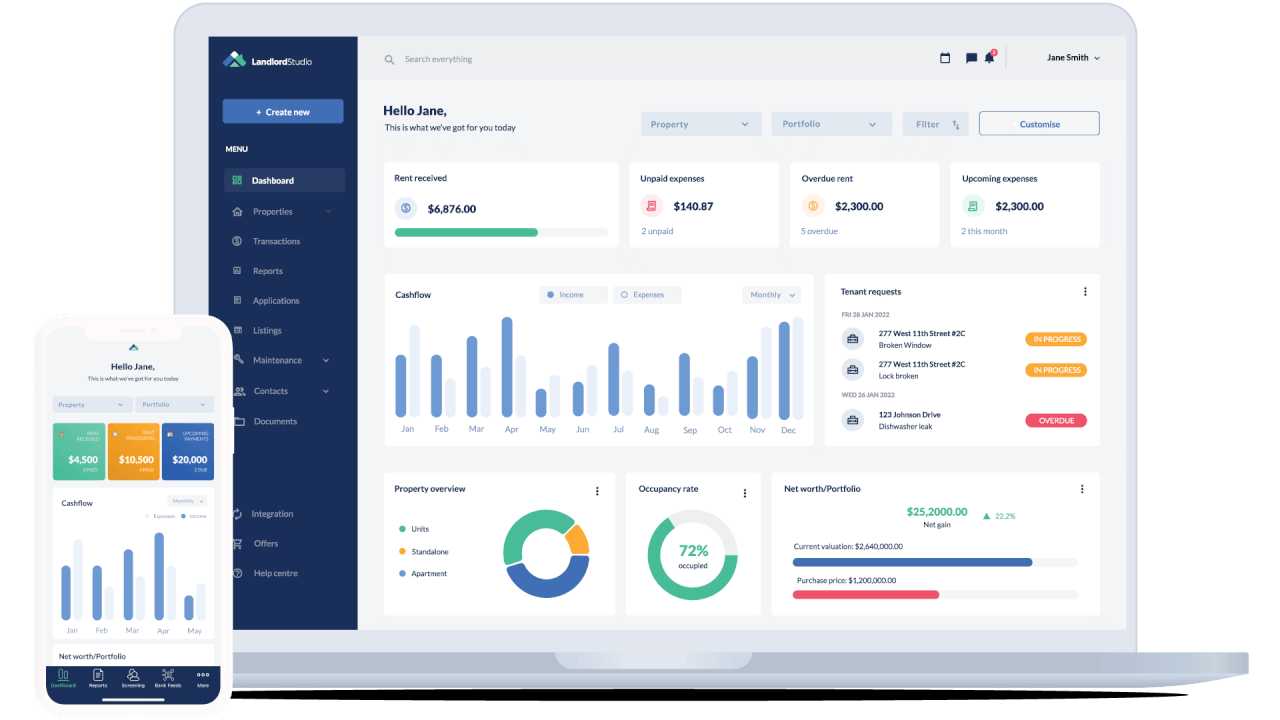
But what is fueling this transition to automation? First, modern renters value convenience and speed. Second, landlords and property managers are looking for ways to minimize administrative time and errors. Automated systems address both these needs while providing a host of additional advantages.
Reduced Manual Tracking Means Fewer Errors
One of the biggest traditional hassles in rent collection is tracking who's paid, who's late, and following up with reminders. Manual tracking methods such as spreadsheets or paper ledgers leave room for human error, which can result in missed payments or disputes.
Automated rent collection virtually eliminates the risk of forgetting payments or inputting incorrect data. Payment statuses update automatically, and all transactions are recorded in real time. Recent property management studies show that properties using automated collection experience a 34% reduction in payment discrepancies compared to those relying on manual processes.
Timely Payments and Consistent Cash Flow
Automation not only tracks payments but also encourages on-time rent collection. Many systems send automated reminders to tenants before and after the due date. Late fees can apply automatically, and recurring payment options help tenants avoid missed payments altogether.
A recent analysis of digital rent payment data reveals that on-time payment rates increase significantly with automation. Renters using auto-pay are 27% more likely to pay on or before the due date compared to those using manual payment methods. For property owners reliant on monthly cash inflow, this consistency can make budgeting and financial planning much more accurate.
Enhanced Transparency and Reporting
Landlords and property managers must often prepare detailed financial records, whether for internal reviews, taxes, or regulatory compliance. Automated systems offer robust reporting features, providing clear visibility into payment history, outstanding balances, and trends over time.
With easy access to digital records, property managers spend less time sorting paperwork and reconciling payments at tax time. Many platforms allow users to export data into accounting software or generate custom reports with just a few clicks. This transparency simplifies audits and ensures all parties are looking at the same, up-to-date information.
Improved Tenant Experience
Automation doesn’t just benefit property owners; it enhances the renter’s experience too. Modern tenants expect digital payment methods that fit their lifestyles. Automated rent collection provides the convenience of online portals and mobile payment options, along with instant receipts and confirmation.