
When you watch an MLB game live, it seems so seamless and smooth. The commentators know their lines, the stats roll in on time, and the visuals are crystal clear. But have you ever wondered how much effort happens behind the scenes to make it all look that flawless? A live MLB broadcast (MLB중계)isn’t just an event; it’s a well-orchestrated production that brings together data, technology, and a dedicated team of professionals.
Layer 1: The Command Center
At the heart of every MLB broadcast is the control room. This is where the magic happens. The producer acts as the director of the action, deciding what viewers see and hear. They coordinate everything, from switching between camera angles to determining when instant replays and graphics appear on-screen.
The team here also decides how information flows to the audience. For example, real-time stats like pitcher velocities, batting averages, and fielding metrics are communicated via graphics specialists. Every data point you see on the screen comes from live feeds integrated into software tools. Want to know the speed of that home run? That data was measured instantly and patched into the broadcast just as fast.
Layer 2: Advanced Statistics and Tech
Modern MLB broadcasts lean heavily on advanced analytics and AI-powered tools. For instance, tools like Statcast provide in-depth insights into player movements, pitch speeds, and hit trajectories. Statcast uses high-resolution cameras and radar technology to track every movement on the field.
These real-time insights aren’t just for enhancing your viewing experience. They’re also critical for broadcasters, who build their storytelling around the numbers. For example, knowing that a player has a batting average of .320 against left-handed pitchers or that a runner’s sprint speed is in the league’s top 10% allows the commentary team to deliver richer content.
Layer 3: On-Field Coverage
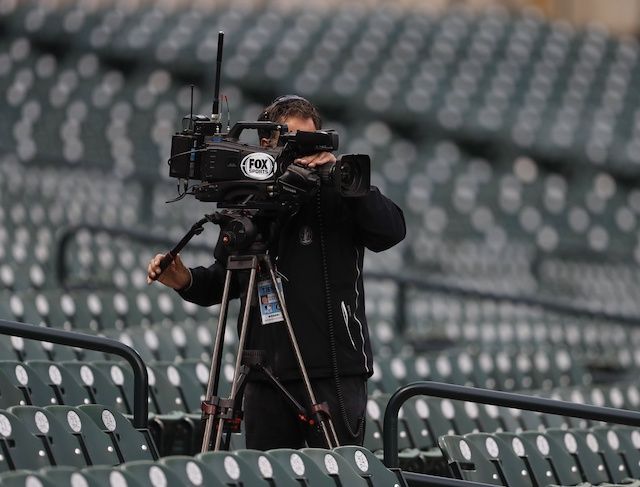
The game itself is supported by dozens of cameras, each carefully positioned to capture specific angles. There might be cameras focused solely on the pitcher, the batter, or even a base. Some are mounted on cranes or operated handheld to provide dynamic movement, while others are robotic for maximum precision.
Audio also plays a huge role. Microphones strategically placed in bases, on umpires, and near dugouts pick up key sounds like the crack of the bat, player chatter, and crowd reactions. These layers of sound are monitored and adjusted live to ensure immersive coverage for the audience.
Layer 4: The Human Element
While technology is critical, it’s the human touch that ties the production together. The announcers don’t just narrate the game; they add context, emotion, and trivia to keep viewers engaged. They’re briefed with player stories, team trends, and historical context before the game. This allows them to weave real-time moments into a broader narrative, making the game more entertaining for fans.
Technicians, camera operators, and behind-the-scenes crew also work tirelessly. Their communication is constant, ensuring every decision is executed in real-time. One mistimed camera switch or a delayed stat graphic could break the flow.
Why It Matters
Producing a live MLB broadcast isn’t just an effort in coordination and technology; it’s about delivering an unparalleled viewing experience. The seamless integration of real-time statistics, expert commentary, and immersive visuals connects fans to the game, no matter where they are.
The next time you catch an MLB broadcast, take a moment to think about the hard work and innovation that goes into making it look so easy.