
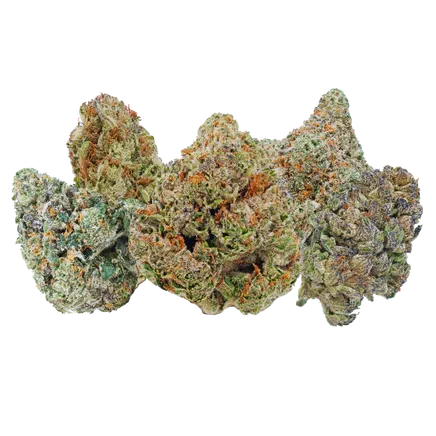
The use of cannabis as a medical treatment has increased in popularity over the years due to its potential therapeutic benefits. One of the less-known cannabis components that have been gaining attention in recent years is tetrahydrocannabinolic acid (THCA). Like THC, THCA is found in the cannabis plant, but it's the raw and inactive form of THC. This means that THCA doesn't have psychoactive effects on its own. In this blog post, we'll explore the therapeutic potential of thc a flower, how it differs from THC, and why it may be worth considering as a natural treatment option.
Unlike THC, which is found in decarboxylated cannabis, THCA is found in raw and unprocessed cannabis. When cannabis is exposed to heat, light, or a flame, THCA turns into THC. This means that smoked or vaped cannabis flowers usually have very low levels of THCA, as most of it has been converted into THC through the decarboxylation process. To consume THCA, it's necessary to use raw cannabis or consume cannabis products specifically formulated to contain high amounts of THCA.
Research has shown that THCA has many potential therapeutic benefits, including anti-inflammatory, antiemetic, and neuroprotective effects. THCA interacts with the body's endocannabinoid system (ECS), which is responsible for regulating various physiological processes, such as pain, appetite, and mood. Because of its anti-inflammatory properties, THCA has been used to treat conditions like arthritis, multiple sclerosis, and Crohn's disease. THCA has also been shown to be effective in reducing nausea and vomiting, making it a promising treatment option for chemotherapy-induced nausea and vomiting (CINV).
Another potential use of THCA is in the treatment of neurodegenerative diseases, such as Parkinson's and Alzheimer's disease. Studies have shown that THCA can have neuroprotective effects by reducing oxidative stress and inflammation in the brain. This means that THCA may slow down the progression of these diseases and improve overall brain function.
Additionally, THCA can also have mood-boosting effects. THCA has been shown to increase the levels of serotonin, a neurotransmitter responsible for regulating mood, in the brain. This means that THCA may be helpful in treating conditions like depression and anxiety.
It's important to note that THCA is not a cure for any of these conditions. Instead, it's a natural treatment option that can be used in combination with other treatments to enhance their effectiveness. It's also important to consult with a healthcare provider before using THCA to treat any medical condition.
Conclusion:
THCA is a lesser-known cannabis component that has shown potential therapeutic benefits for a variety of conditions. Unlike THC, THCA is the inactive and raw form of THC, meaning that it doesn't have psychoactive effects on its own. THCA interacts with the ECS in the body, which regulates various physiological processes, making it a promising natural treatment option. THCA has anti-inflammatory, antiemetic, neuroprotective, and mood-boosting effects, making it a versatile treatment option for a wide range of conditions. More research is needed to fully understand the therapeutic potential of THCA, but early results are promising. If you're considering using THCA as a treatment option, it's important to consult with a healthcare provider first.