
Medium Density Fiberboard (MDF) has long been a staple in the world of interior design and construction, recognized for its durability and versatility. However, recent innovations and creative applications have brought a new level of enthusiasm for MDF panels, highlighting their potential to push the boundaries of aesthetic and functional design. In this article, we'll explore how these humble panels are being reimagined to offer fresh perspectives in design flexibility.
A Canvas for Creativity
MDF's smooth surface makes it an ideal canvas for a wide range of finishes and treatments. Unlike natural wood, which may have knots and grain inconsistencies, MDF provides a uniform texture that can be painted, veneered, or laminated to achieve any desired look. This quality has made MDF panels a go-to choice for custom furniture, cabinetry, and architectural details. Designers are taking advantage of this adaptability, experimenting with intricate patterns and bold colors to create unique, eye-catching pieces that stand out in any space.
Sustainability and Adaptability
In today’s eco-conscious world, MDF is gaining recognition for its environmental benefits. Made from wood fibers sourced from both hard and softwoods, MDF panels often utilize the byproducts of other wood manufacturing processes, reducing waste. Furthermore, the option to use low-formaldehyde or formaldehyde-free adhesives during production enhances indoor air quality, making MDF a healthier choice for homes and businesses. This commitment to sustainability, combined with MDF's strength and stability, offers a compelling solution for those looking to balance ecological responsibility with design needs.
Technological Innovations
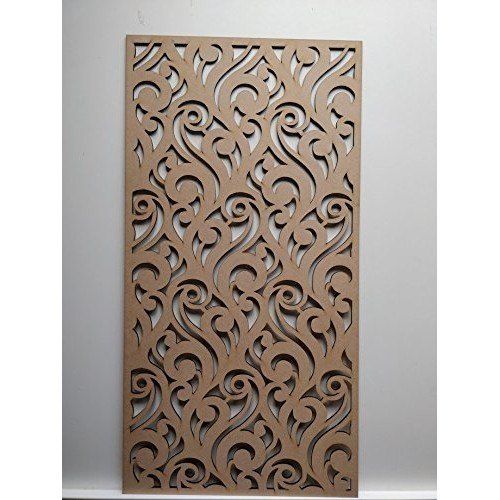
Advancements in cutting and shaping technology have expanded the possibilities for MDF panels. CNC (Computer Numerical Control) machines allow for precision cuts, creating complex patterns and shapes that were previously difficult or impossible to achieve. This technology enables designers to craft intricate details and textures in MDF panels, adding depth and interest to walls, ceilings, and furniture. The ability to precisely control the design process opens up a world of customization options, allowing for personalized touches that reflect individual tastes and styles.
Multifunctional Spaces
The demand for multifunctional spaces has risen sharply, especially in light of the global shift towards remote work and home-based activities. MDF's versatility makes it an excellent choice for creating adaptable furniture and room dividers that can transform a space according to changing needs. Lightweight yet sturdy, MDF can be used to construct movable panels and modular units that offer privacy and sound insulation for home offices, while also integrating seamlessly into the overall design aesthetic.
The Future of MDF Panels
As we look to the future, it's clear that MDF panels will continue to play a significant role in interior design. Their flexibility, combined with ongoing advancements in materials science and digital fabrication techniques, promises even greater opportunities for innovation. Designers and homeowners alike are beginning to see MDF not just as a practical choice, but as a medium for artistic expression and environmental stewardship.
In conclusion, MDF panels are shedding their reputation as a mere utility material, emerging as a dynamic and sustainable option for modern design. With their unparalleled adaptability and potential for customization, MDF panels are offering fresh perspectives on how we create and inhabit our spaces, proving that sometimes the most innovative solutions are already within our grasp.