
The architectural elements of a building's facade play a crucial role in not just its structural integrity but also its aesthetic appeal. Among these elements, the window architrave stands out as a feature that has evolved significantly, both in design and function, over the years. In modern architecture, the window architrave has become a canvas for artistic expression and a defining feature of a building's style. Exploring its impact opens up a discussion on the interplay between tradition and innovation in the built environment.
The Historical Role of Window Architrave
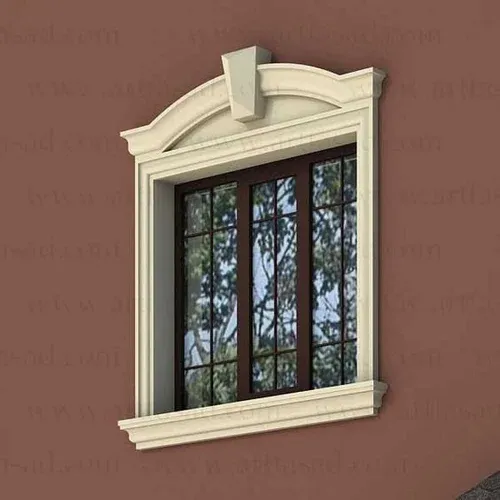
Originating from the Greek words 'arch' (chief) and 'trabbas' (beam), the architrave historically referred to the main beam resting on the columns of a classical order. In ancient and neoclassical architecture, the architrave as a decorative mold served to emphasize and encase the area around windows and doors. It was an indicator of the demarcation between interior and exterior spaces, carrying the symbolism and form of its time.
Revival in Modern Design
The modernist architects of the early 20th century sought to break free from the ornate trappings of classical design, championing a minimalist approach. However, this didn't entail a complete abandonment of classical elements. Instead, modern design integrated architraves in new and inventive ways that respected traditional forms while adapting them for contemporary buildings. This revival allowed the architrave to maintain its historical role of framing windows and adding a layer of detail without being overly ornate.
The Evolving Styles of Architrave
With modern architecture spanning various movements such as Art Deco, Bauhaus, and International Style, the treatment of window architrave evolved to reflect the aesthetics of each era. The Art Deco movement introduced geometric patterns and stepped forms into architraves, signifying luxury and modernity. The Bauhaus school favored a minimalist but expressive approach, often using architraves to create a contrast in texture or color. The International Style embraced clean lines and a lack of ornamentation, employing architraves to highlight the proportions and rhythm of a building's facade.
Innovations in Material and Production
Advancements in manufacturing and building materials during the mid-20th century expanded the possibilities for window architrave design. Concrete, steel, and glass allowed for more sculptural and lightweight architraves that could span larger windows or achieve new aesthetic effects. Prefabrication techniques further democratized the availability of intricate window surrounds, making it viable to replicate classical profiles with modern materials and methods.
Sustainability and Functionality
In the context of sustainability, the architrave has a role beyond mere ornamentation; it can contribute to a building's energy efficiency. Well-designed architraves can help shade windows from direct sunlight, reducing the need for artificial cooling, and can provide a seal against drafts, enhancing insulation. In this way, the architrave serves a dual purpose — enhancing the visual identity of a building while also being an active, functional component in its ecological performance.
The Future Aesthetic Landscape
The current trend in architecture is a fusion of styles, with eclecticism allowing for a mix of traditional and cutting-edge elements. This is reflected in the architrave, which may now be crafted from experimental materials or employ parametric design to achieve complex shapes. The future of the architrave in modern architecture is likely to see a continued play with scale, texture, and color, merging the decorative with the utilitarian in innovative ways. In an age of smart buildings and digital fabrication, the architrave remains a touchpoint of human craftsmanship in the face of technical progress.
In conclusion, the window architrave in modern architecture is a testament to the adaptability of architectural motifs across time. It illustrates the enduring impact of historical design elements while pointing the way forward to a future where sustainability and aesthetics are seamlessly integrated. As we continue to push the boundaries of what is possible in building design, the architrave stands as a fitting symbol of the harmony achievable between our architectural heritage and the bold visions of today.