
Remodeling trends evolve as homeowners look for solutions that reflect their personalities and make better use of space. Today, the focus is on personalized Remodeling plans catered to individual home styles. Customization isn’t just a trend; it’s transforming the way people experience their living spaces. This article highlights the benefits of personalized remodeling and why tailoring your home can improve comfort, functionality, and even resale value.
Why Personalization Matters in Remodeling
Personalized remodeling means creating solutions that match both the architectural features of a home and the unique preferences of its residents. Rather than adopting generic layouts or design concepts, these plans offer a custom fit, enhancing aesthetics and practicality. Various studies show that personalization boosts homeowner satisfaction. Homes with tailored upgrades are more likely to be used as intended, fostering daily enjoyment and long-term comfort.
Improved Functionality for Daily Living
A core benefit of personalized plans is increased functionality. By analyzing how each area is used, remodeling can address bottlenecks in kitchens, create better work-from-home setups, or reconfigure open plans for privacy. The result is a home that adapts to how residents live.
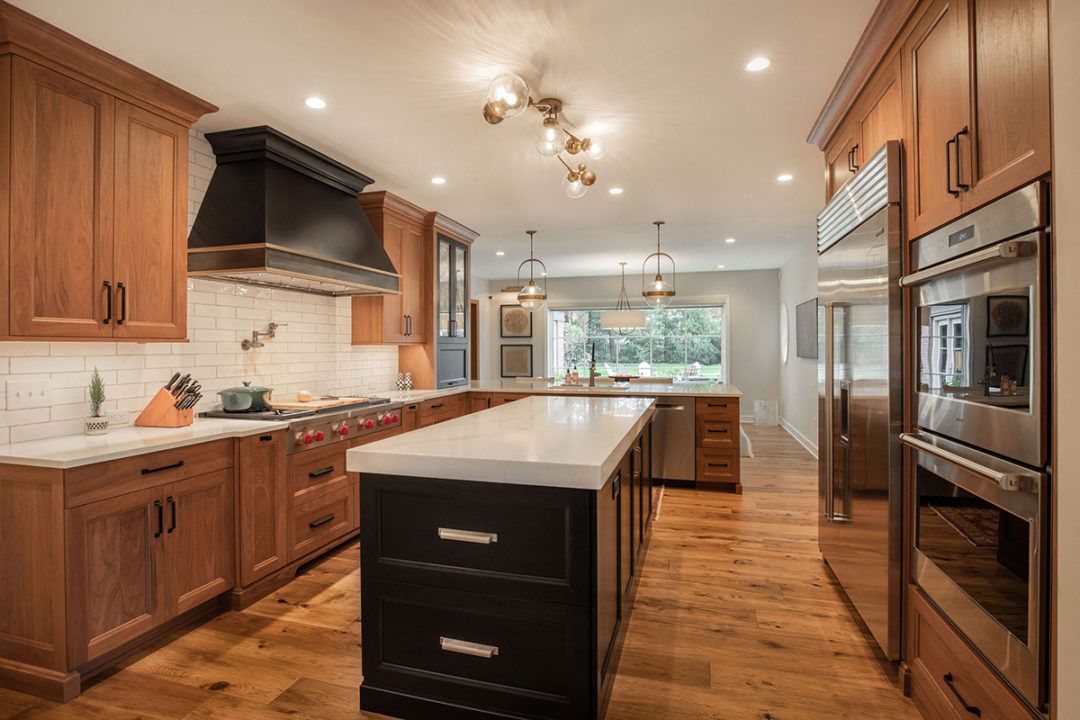
Functional remodeling considers factors such as:
- Placement of electrical outlets for technology integration.
- Storage solutions designed for individual hobbies or lifestyles.
- Flexible spaces that can double as offices, guest rooms, or play areas.
These benefits lead to rooms that are easier to use, reducing frustration and maximizing every square foot.
Enhanced Aesthetic Appeal
Style consistency is important to many homeowners. Personalized remodels maintain the integrity of classic Craftsman, Victorian, mid-century, and modern homes by echoing original design elements, even as updates are made. For contemporary builds, personalized touches ensure finishes and furnishings don’t look mass-produced.
Trending evidence shows that remodeling projects respecting a home’s original character are perceived as more attractive, often commanding higher interest from buyers when listed. The harmony between old and new elements adds visual interest and lasting value.
Increased Energy Efficiency
Personalized remodeling plans often include upgrades that reduce energy use, such as improved windows, insulation, or eco-friendly materials. Tailoring energy solutions to specific home styles ensures changes complement both appearance and efficiency. For example, integrating solar panels on a flat-roof mid-century house can be seamless, while placing them on a steep Victorian roof demands specialized planning.
These updates lower utility bills and contribute to long-term sustainability, which aligns with current trends showing rising consumer interest in green living. Making efficiency a central part of a remodeling plan delivers both economic and environmental advantages.
Improved Lifestyle and Wellbeing
Custom remodeling plans have an impact beyond bricks and mortar. Well-planned designs introduce more natural light, better air flow, and healthier materials, all of which support wellbeing. Open-plan kitchens encourage family gatherings, while designated meditation nooks or hobby alcoves cater to emotional balance.
Recent trends indicate that homes designed for wellbeing are increasingly valued, especially as more people spend time indoors. A personalized approach can help achieve optimal acoustics, cleaner indoor air, and more organic movement throughout the space.
Better Use of Technology
Personalized plans seamlessly weave technology into home environments. Examples include built-in speakers, integrated lighting controls, and invisible charging stations tailored to daily habits. Technology no longer appears as an afterthought; it’s an organic part of the remodel, matched to each room’s purpose.