
Buying a property is a major decision that involves more than just choosing the right location or price. From legal paperwork to negotiation and closing, the entire process can be complex and time-consuming. This is where a buyer’s agent becomes a valuable asset. A qualified real estate buyer agent checklist acts as your advocate, guiding you through every step of the purchase while safeguarding your interests.
To ensure a smooth and professional transaction, here’s a complete checklist that outlines the key responsibilities and tasks a buyer agent should handle throughout the home-buying journey.
Initial Consultation and Needs Assessment
The process begins with a thorough discussion to understand your goals, preferences, timeline, and budget. A buyer agent will help clarify your must-haves versus nice-to-haves, ensuring your search stays focused and efficient. They’ll also explain the buying process and answer any initial questions.
Assist with Mortgage Pre-Approval
A buyer agent will typically connect you with reputable lenders and encourage you to get pre-approved. This step is essential for establishing a realistic price range and strengthening your position when making an offer. Pre-approval also demonstrates your financial readiness to sellers.
Property Search and Market Research
Your agent will identify listings that meet your criteria and provide market insights based on comparable properties, neighborhood trends, and pricing history. They’ll arrange showings, attend viewings with you, and point out both strengths and potential concerns of each property.
Evaluate and Compare Properties
After viewing several homes, a buyer agent will help you evaluate each option based on value, condition, and alignment with your long-term goals. This includes analyzing pricing data, location benefits, and future resale potential.
Draft and Submit Offers
When you’re ready to make an offer, your agent will draft the purchase agreement with terms that protect your interests. This includes offer price, contingencies (such as financing and inspections), earnest money details, and closing timelines. They’ll submit the offer and negotiate on your behalf with the seller or their agent.
Manage Inspections and Due Diligence
Once your offer is accepted, your buyer agent will coordinate the home inspection, appraisal, and any additional evaluations needed. If the inspection reveals issues, they will help you renegotiate the terms or request repairs. Your agent will also ensure all contingency deadlines are met.
Guide You Through the Legal Process
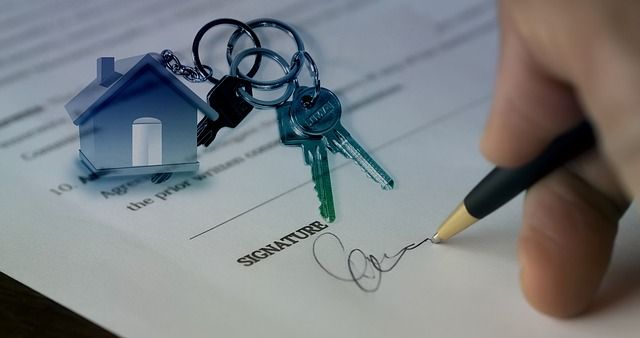
From reviewing disclosures to working with the title company, a buyer agent helps ensure that all legal and financial documentation is accurate and complete. They’ll explain each document you’re required to sign and keep you informed throughout the transaction.
Coordinate the Closing Process
Your agent will work closely with your lender, escrow officer, and attorney (if involved) to ensure a seamless closing. They’ll confirm that final inspections, title checks, and closing paperwork are complete. On closing day, your agent will ensure the funds and keys are exchanged properly.
Conclusion
A buyer agent plays a vital role in helping you navigate the complexities of purchasing property. This checklist ensures that every step is handled with professionalism, accuracy, and care. With a dedicated expert representing your interests, you can approach your property purchase with clarity and confidence.