
Maintaining comfort, safety, and a high quality of life becomes increasingly important with age or when facing health challenges. Across the country, more people are discovering that in home care services provide a practical and compassionate solution to support these priorities. The trend towards receiving care in the familiar environment of one’s own home continues to grow, reflecting a shift in preferences and needs among aging individuals and their families.
This blog explores the trending benefits of In home care, backed by relevant statistics, highlighting why this service offers distinct advantages for those seeking long-term comfort.
Introduction to the Benefits of In Home Care
Living independently for as long as possible is a key goal for many individuals. According to recent reports, more than 90% of people over the age of 65 express a strong preference for aging in place. This preference isn’t just about convenience or sentimentality; numerous studies have shown that receiving care at home leads to better health outcomes, increased satisfaction, and a higher sense of well-being.
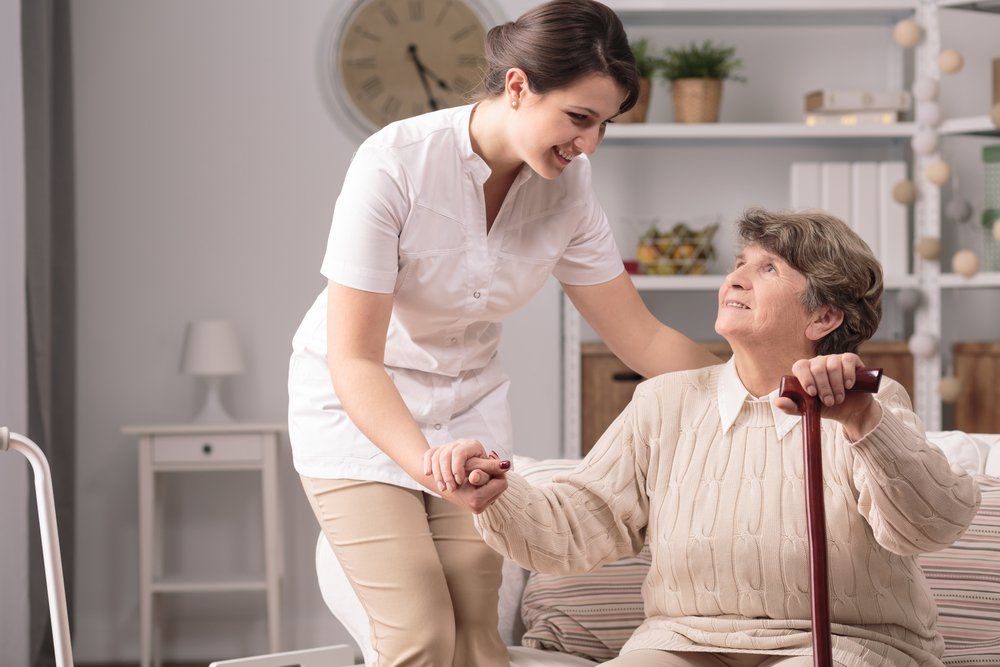
From personalized support to social and emotional benefits, in home care services enable individuals to preserve their lifestyle and dignity while meeting their evolving needs.
Higher Quality of Life and Comfort
One of the top benefits of in home care services is the significant boost in overall quality of life. People typically feel safer, more relaxed, and better cared for within their own surroundings. This comfort goes beyond physical support; it extends to emotional stability and peace of mind.
Surveys indicate that nearly 90% of home care clients report greater satisfaction with life and improved emotional well-being, compared to individuals living in institutional settings. This level of reassurance can be especially vital for elderly individuals or those recovering from illness or surgery.
Removing the need for constant relocation or adjustments to new environments allows for a smoother recovery process and provides lasting psychological benefits.
Personalized Attention and Flexible Care Plans
Individualized care lies at the core of modern in home care services. Each person’s requirements differ, whether they require assistance with daily activities, medication management, or companionship. With in home care, support plans are tailored to fit daily routines and health goals, not the other way around.
Statistics show that personalized home care plans can lead to a significant reduction in hospital readmissions and complications, especially for chronic conditions like heart disease and diabetes. A study by the National Association for Home Care & Hospice found that clients receiving tailored home care had a 25% lower risk of hospitalization compared to those without such services.
This flexible approach permits easy adjustments as health conditions change, ensuring ongoing comfort and efficiency.
Fostering Independence and Dignity
Retaining independence is a crucial aspect of psychological well-being, especially among older adults. Home care support emphasizes doing things with, rather than for, the individual. This empowerment strengthens confidence and self-esteem, even as health needs evolve.
According to the AARP, over 80% of seniors state that the ability to make day-to-day decisions about their meals, routines, and hobbies is vital to maintaining their dignity. Home care allows for this level of autonomy while still offering assistance where needed, blending freedom with safety.
Reduced Risk of Infection and Hospitalization
Receiving care at home means less exposure to hospital-acquired infections and communicable diseases. During times of heightened health concerns, such as flu season or past pandemics, this benefit has grown even more significant.