
A resilient and responsive health care system relies on a skilled and adaptable workforce. Among the many contributors to patient care, pharmacy technicians play a critical role in ensuring the safe and efficient delivery of medications, supporting pharmacists, and optimizing overall patient outcomes. As the demand for qualified pharmacy technician certification course to grow, comprehensive workforce development initiatives, such as certification and structured training programs, are becoming increasingly vital.
The University of North Texas Health Science Center at Fort Worth offers the pharmacy technician certification course designed to equip individuals with the technical knowledge and practical skills necessary for success in today’s complex health care environment. This program not only prepares students for national certification but also addresses the evolving responsibilities that pharmacy technicians now assume in hospitals, retail pharmacies, long-term care facilities, and other health care settings.
According to data from the U.S. Bureau of Labor Statistics, employment of pharmacy technicians is projected to grow steadily due to an aging population, expanded health care coverage, and the increasing complexity of pharmaceutical care. The integration of certified pharmacy technicians into health care teams helps to streamline pharmacy operations, reduce medication errors, and improve patient safety, ultimately contributing to more efficient health care delivery.
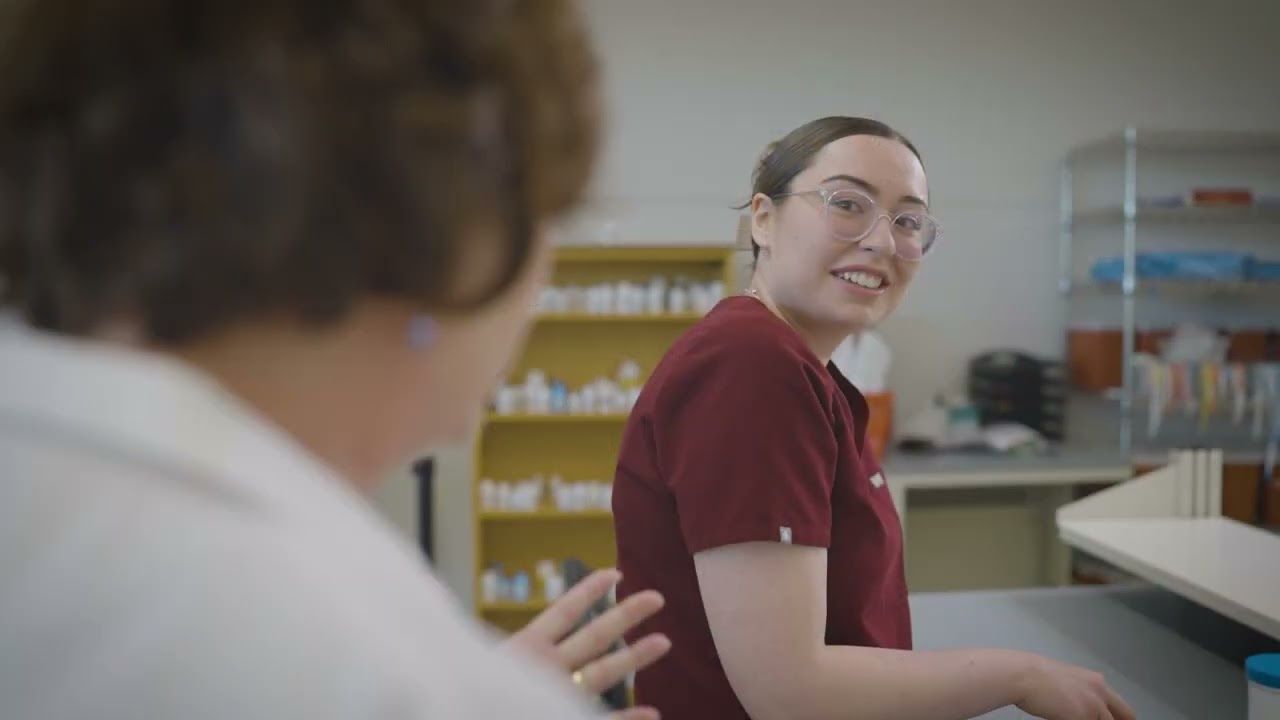
A structured pharmacy technician certification course provides a rigorous curriculum that covers essential topics such as pharmacology, medication preparation, dosage calculations, inventory management, and regulatory compliance. Additionally, these programs often incorporate hands-on training, allowing students to gain valuable real-world experience in various pharmacy environments. This practical exposure is instrumental in preparing graduates to handle the demands of their profession confidently and competently.
Beyond technical training, the development of soft skills such as communication, ethical decision-making, and patient interaction is equally important. Pharmacy technicians frequently serve as a bridge between patients and pharmacists, answering questions, clarifying instructions, and ensuring patients understand their medication regimens. Effective communication skills are therefore essential to fostering positive patient outcomes and enhancing the overall quality of care.
The benefits of expanding the pharmacy technician workforce extend to the broader health care system. By delegating certain technical and administrative tasks to well-trained technicians, pharmacists can focus more on clinical duties, such as medication therapy management, patient counseling, and collaborative care with other health professionals. This team-based approach not only improves workflow efficiency but also enhances patient care coordination, which is increasingly recognized as a critical component of comprehensive health care for all communities.
Research published in peer-reviewed journals underscores the positive impact of pharmacy technician workforce development on patient safety and health care efficiency. For instance, a study in the Journal of the American Pharmacists Associationdemonstrated that pharmacy technicians trained through standardized certification programs contribute to significant reductions in medication dispensing errors, improving patient safety outcomes.
HSC at Fort Worth remains committed to advancing pharmacy technician education by providing accessible, evidence-based training that aligns with the needs of modern health care. Through its pharmacy technician certification course, the Health Science Center not only prepares individuals for rewarding careers but also supports the broader goal of strengthening health care systems through skilled workforce development.
As health care continues to evolve, investment in the training and certification of pharmacy technicians will remain a critical strategy for ensuring that health care systems are equipped to meet the growing needs of patients across all communities.